Côte de Beaune · Appellation guide
Puligny-Montrachet
The home of Montrachet: the summit of Chardonnay, and four of its five white Grands Crus.
- 17Premiers Crus
- 4Grands Crus
- 1937Appellation since
Identity card
- Côte
- Côte de Beaune
- The appellation is created
- 31 July 1937
- Colours and grapes
- White (Chardonnay), a few acres of red
- Area under vine (2022)
- 205 ha, including 96 ha of Premier Cru · Montrachet: 7.8 ha
- Premiers Crus
- 17 climats
- Grands Crus
- Montrachet, Chevalier-Montrachet, Bâtard-Montrachet, Bienvenues-Bâtard-Montrachet
- Communes
- Puligny-Montrachet
- Altitude
- 230 – 320 m
- Exposure
- East and south-east
Our climats and those to know
Climats marked with a star are those we make a cuvée from. The others are the names to know in the appellation.
← Swipe the map →
Tap a climat on the map or in the list to discover it. The gold ★ markers are our cuvées.
- ★Our cuvée
- Grand Cru
- Premier Cru
- Village
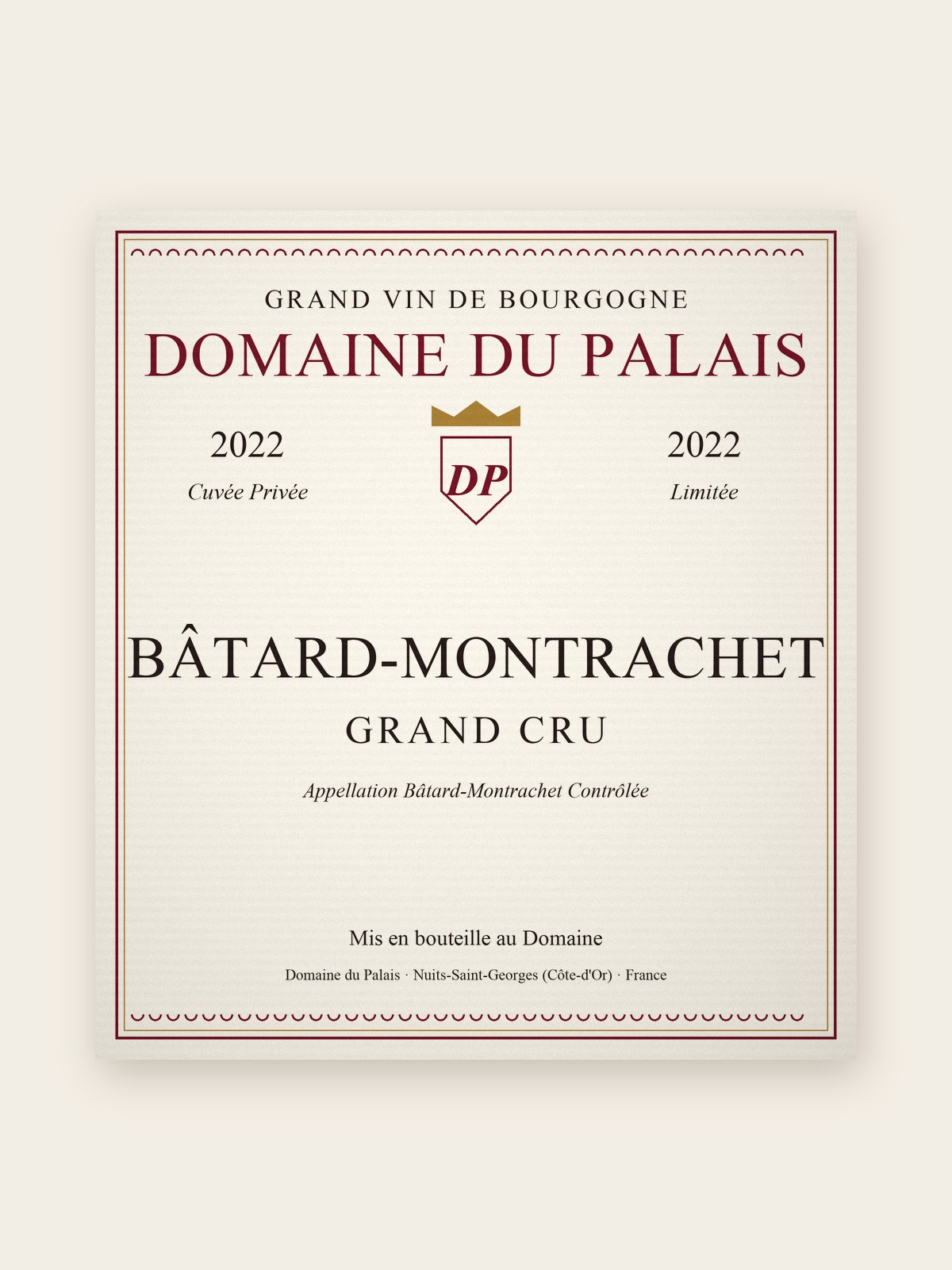
- 1Bâtard-MontrachetGrand Cru★ At the Domaine
Below Montrachet, on deeper soil: the richest and broadest.
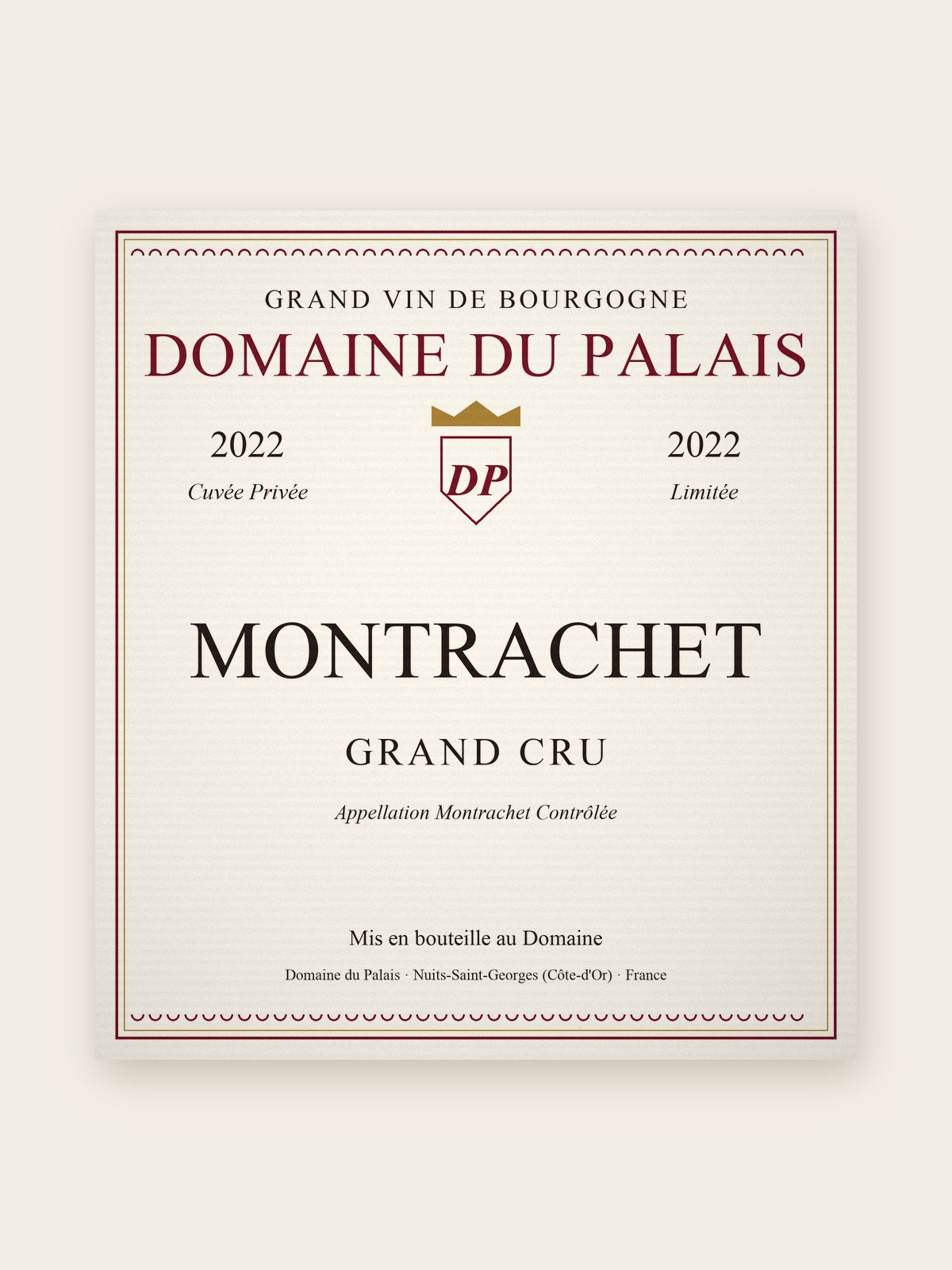
- 2MontrachetGrand Cru★ At the Domaine
7.8 hectares shared between Puligny and Chassagne: for many, the greatest white wine in the world.
- 3Les CombettesPremier Cru
To the north, against Meursault’s Charmes: broad and generous.
- 4Les FolatièresPremier Cru
The largest Premier Cru, on the hillside: floral and elegant.
- 5Les PucellesPremier Cru
Against Bienvenues-Bâtard: often judged the finest of Puligny’s Premiers Crus.
- 6Le CailleretPremier Cru
Next to Montrachet, to the north: the gateway to the Grands Crus.
- 7Chevalier-MontrachetGrand Cru
Above Montrachet, on thin, stony soil: tension and purity.
- 8Bienvenues-Bâtard-MontrachetGrand Cru
A small Grand Cru between Bâtard and Les Pucelles: the most delicate.
The 17 Premiers Crus of Puligny-Montrachet
Official BIVB list. The number refers to the marker on the map; the star marks our cuvées.
- Champ Canet
- Champ Gain
- Clavaillon
- Clos de la Garenne
- Clos de la Mouchère
- Hameau de Blagny
- La Garenne
- La Truffière
- Le Cailleret
- Les Chalumaux
- Les Combettes
- Les Demoiselles
- Les Folatières
- Les Perrières
- Les Pucelles
- Les Referts
- Sous le Puits
The terroir
Brown limestone, alternating limestone and marl, sometimes bare rock. In the village the water table is so close to the surface that no deep cellars are dug. Montrachet lies on hard limestone crossed by a band of reddish marl.
- Altitude230 – 320 m
- ExposureEast and south-east
- CommunesPuligny-Montrachet
A little history
The Cistercian monks of the Abbey of Maizières and the lords of Chagny planted these vines in the Middle Ages. In the 17th century Montrachet emerged as the world’s greatest white wine; Alexandre Dumas is said to have declared it should be drunk kneeling. In 1879, Puligny added Montrachet to its name.
- Middle AgesThe monks of Maizières plant the vines
- 1879Puligny becomes Puligny-Montrachet
- 1937The five Montrachets classified as Grands Crus
In the glass
Pale gold with green glints, white flowers, citrus, almond and hazelnut; a taut, mineral palate of great length.
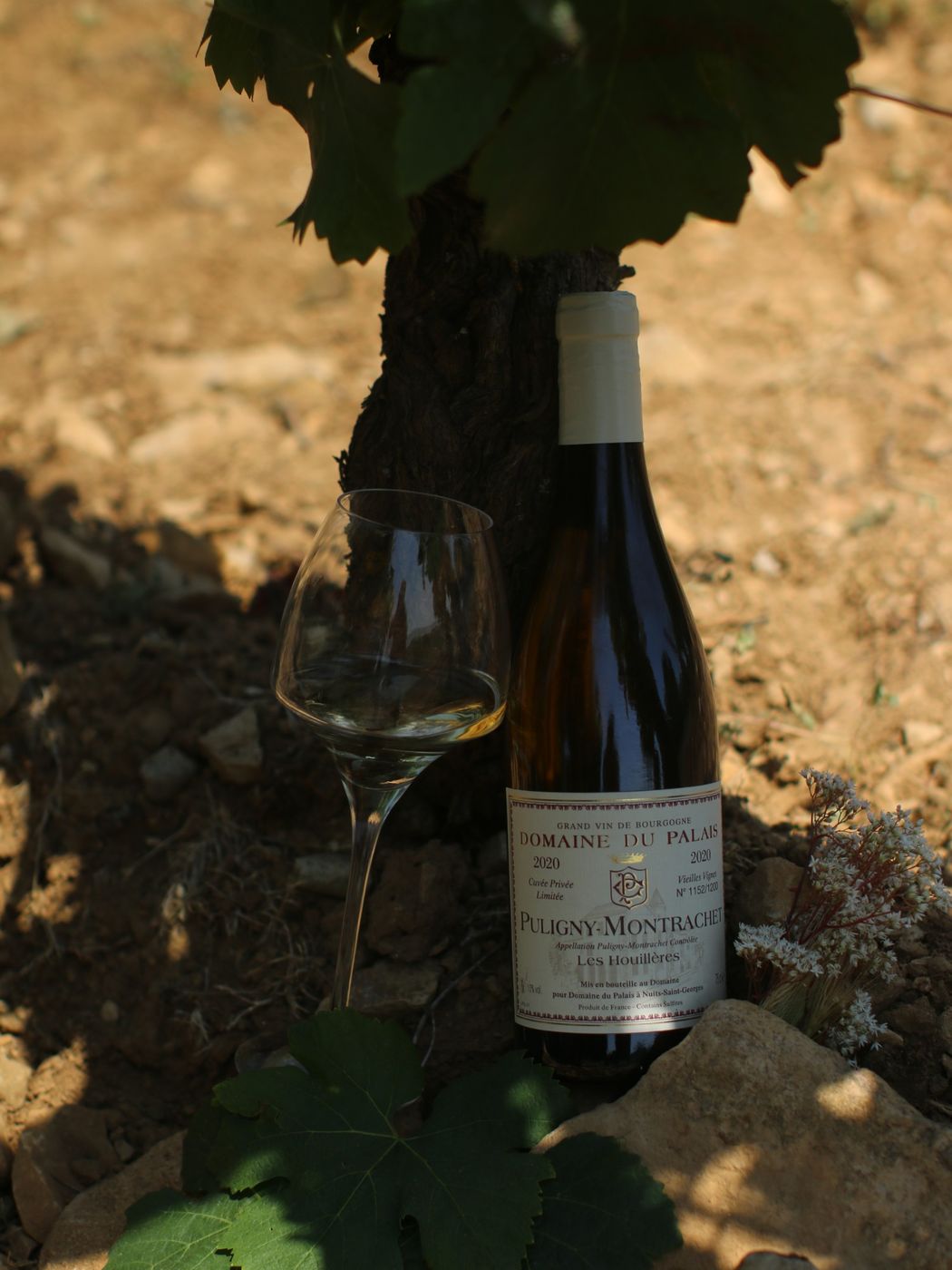
Our wines from Puligny-Montrachet
3 wines from this appellation on our list, from 125 € to 790 € a bottle, to reserve or to taste at the Caves du Palais.
Sources: official appellation sheet from the BIVB ↗ (area under vine, 2022) and BIVB climat maps; schematic map, indicative positions.